What is a Plastic detox?
A plastic detox is the process of gradually reducing everyday plastic materials in your home and replacing them with safer, more sustainable alternatives. Over the past several decades, plastic has become deeply integrated into modern life- from packaging and textiles to cleaning tools and kitchen products. As these materials age and wear down, they can break into tiny fragments known as microplastics, which are now being detected in water, soil, food, and even the air.
Rather than trying to eliminate plastic overnight, a plastic detox focuses on simple, practical swaps where better materials already exist. Many people start in the kitchen, replacing frequently used items like synthetic dish sponges with plant-based alternatives made from natural fibers. Small changes like these can reduce plastic exposure in daily routines while supporting products designed with more sustainable materials in mind. It's certainly not too late to turn the tide!
We Ingest an Entire Credit Card's Worth of Plastic Each Week!!!
Image Credit: WWF.org
Researchers at The World Wide Fund for Nature (WWF) have estimated estimate that the average person may consume up to five grams of microplastics each week- roughly the weight of a credit card. These tiny plastic particles enter our bodies through everyday exposure to food, drinking water, our skin, and even the air we breathe.
Microplastics have been detected in seafood, table salt, bottled water, and household dust, illustrating how widely plastic has spread through modern environments. While scientists are still studying exactly what these exposures mean for long-term health, the estimate highlights just how common microplastics have become in daily life. For many households, reducing plastic where practical alternatives exist- especially in frequently used items like kitchen tools and cleaning products- has become a simple way to begin lowering everyday exposure.
The Sponge in Most Kitchens Are Made of Plastic
At first glance, a kitchen sponge seems harmless. It’s one of the most ordinary tools in any home. But what many people don’t realize is that most conventional dish sponges are made from polyurethane foam and synthetic scrub fibers — both petroleum-based plastics.
As these materials wear down through everyday scrubbing, researchers have found that they can shed microscopic plastic fragments known as microplastics. Because dishwashing involves constant friction and running water, these tiny particles can be released directly into wastewater systems with each use.
Over time, those fragments contribute to the growing presence of microplastics now being detected in rivers, oceans, soil, and even the air we breathe. Scientists studying household materials are increasingly examining everyday cleaning tools because repeated abrasion can cause synthetic materials to slowly break apart into microscopic particles.
Beyond the environmental impact, conventional plastic sponges can also trap moisture and food particles, creating an ideal environment for bacteria to grow. Anyone who has experienced that familiar sour sponge smell has seen this process in action.
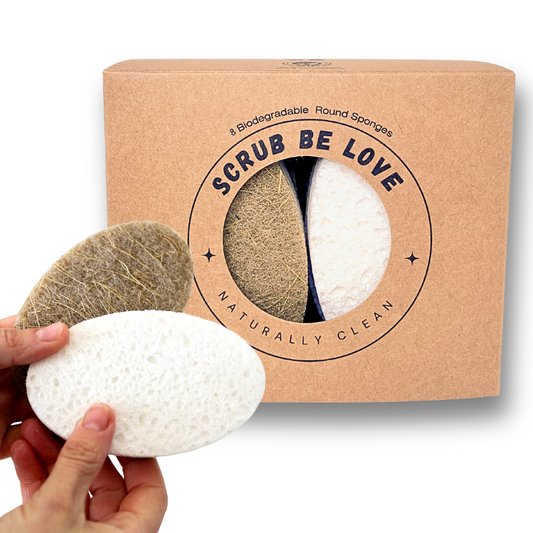
Scrub Be Love sponges take a different approach. Instead of plastic foam, they’re made from plant-based wood pulp cellulose and natural coconut fiber, materials that provide excellent cleaning performance while allowing the sponge to dry more efficiently between uses.
The result is a sponge designed to clean dishes effectively while avoiding the petroleum-based plastics commonly found in conventional kitchen sponges — making it a simple first step for anyone looking to start a plastic detox in their home.
The Rapid Rise of Plastic Production
Plastic production has grown at an extraordinary pace over the past seventy years. In 1950, the entire world produced only about 2 million metric tons of plastic per year. Today, global production exceeds 450 million metric tons annually, meaning plastic manufacturing has increased more than 200-fold within a single lifetime. Understanding how quickly plastic production has expanded helps explain why microplastics are now being detected almost everywhere scientists look.
Plastic is often praised for its durability, but that same durability is what makes it such a long-lasting environmental challenge. Most common plastics do not truly biodegrade; instead, they slowly break apart into smaller and smaller fragments over time. Depending on the type, plastic items can take hundreds of years to break down, with some estimates suggesting materials like plastic bottles may persist for 400–500 years or more. Even then, the plastic doesn’t disappear- it simply becomes tiny particles known as microplastics that continue circulating in soil, waterways, and the air. In other words, much of the plastic produced today will likely outlive all of us, remaining in the environment long after its original use has been forgotten.
Plastic-Detox Bundle
Inspired by the growing movement toward plastic detoxing the home, this bundle makes it easy to begin where it matters most — right at the kitchen sink.
The Plastic Detox Kitchen Bundle replaces common plastic cleaning tools with thoughtfully designed alternatives that help reduce plastic in your daily routine.
Plastic-Free Home Essentials Bundle
A thoughtfully curated set of everyday kitchen essentials designed to reduce plastic in your home. Featuring plant-based sponges, natural scrub pads, and a minimal sponge holder, this bundle makes it easy to upgrade your cleaning routine with durable, plastic-free alternatives.
Eco Housewarming Gift Box
A thoughtful housewarming gift featuring eco-friendly kitchen essentials designed to reduce plastic in everyday routines. This bundle pairs practical cleaning tools with sustainable materials, making it a simple way to help someone venture into lower plastic living.
Better Choices
For much of the last century, plastic became the default material for everyday products because it was inexpensive, lightweight, and easy to manufacture. Today, however, we have more choices than ever. Many of the items once replaced by plastic- from kitchen tools to storage containers and cleaning supplies- are now being reimagined using natural and durable materials like wood, metal, glass, and plant-based fibers.
These materials often last longer, avoid petroleum-based plastics, and can be recycled, composted, or reused far more easily. For many households beginning a plastic detox, simply choosing these materials when replacing everyday items is one of the easiest ways to reduce plastic in the home.
5 Simple Swaps to Start Your Plastic Detox
1. Choose a Cleaner Laundry Detergent
2. Swap Your Plastic Dish Sponge
3. Switch to Reusable Paper Towels
4. Replace Plastic Cutting Boards.
5. Avoid Cooking with Plastic Utensils
Special Limited Time Offer- All Plastic-Free Scrub Be Love Products
Buy One Get One 50% OFF!! Use Code: Detox50
-
Plastic Free Scrub Pads – Natural Coconut Coir Kitchen Scrubber
Regular price From $5.95 USDRegular priceUnit price / perSale price From $5.95 USD -
Plastic-Free, Plant-Based, Biodegradable Dish Sponges
Regular price From $7.95 USDRegular priceUnit price / perSale price From $7.95 USD -
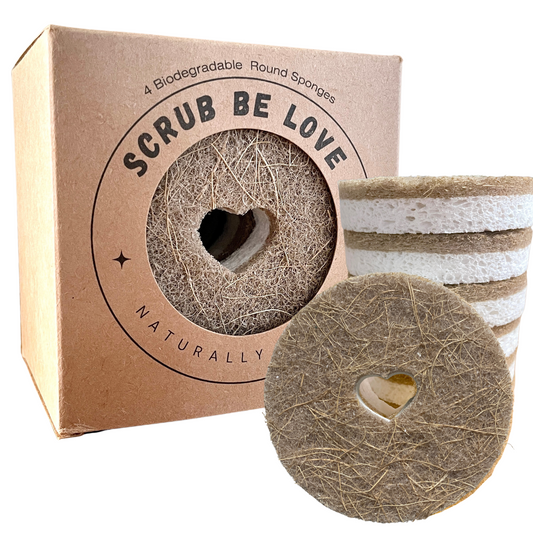
Plastic Free Round Heart Cut-Out Dish Sponge (4 Pack) – Biodegradable Coconut Coir Kitchen Sponge
Regular price $13.95 USDRegular priceUnit price / perSale price $13.95 USD -
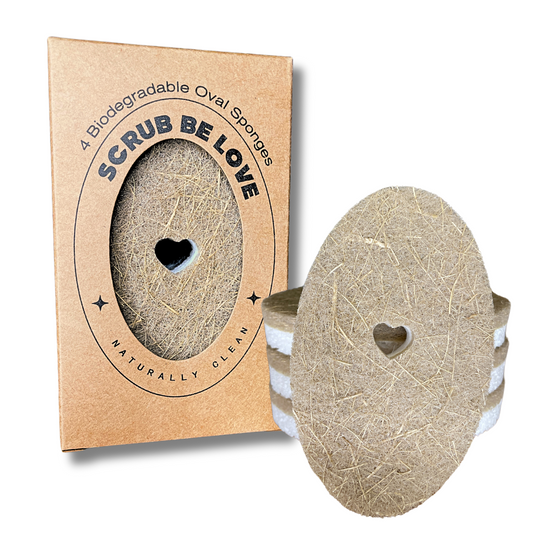
Plastic Free Oval Heart Dish Sponges (4 Pack) – Biodegradable Plant-Based Kitchen Sponge
Regular price $13.95 USDRegular priceUnit price / perSale price $13.95 USD
When six couples embark on a plastic detox within their homes, it changes their families forever. This eye-opening documentary explains what microplastics and their chemicals are doing to our
health and how we can take matters into our own hands.
The Plastic Detox is a journey into the hidden dangers of plastic in our homes. From hormone disruption that’s fueling a worldwide fertility crisis, to growing rates of cancer, and early heart attack and stroke, this powerful documentary reveals the shocking science behind plastic’s impact on human life.
Produced by an Academy Award® winning team, The Plastic Detox features leading scientists and personal stories of couples who bravely share their infertility journey and the steps they’ve taken to detox their homes and lives. You’ll never look at plastic the same way again.